



The Ballon d’Or stands as football’s most coveted individual honor. Established in 1956 by France Football magazine, the golden ball was originally designed to honor the top European player. Over nearly seven decades, the award’s identity, voting structure, and rules have undergone dramatic structural evolutions to reflect an increasingly globalized sport.
1. How the Award Has Historically Evolved
- 1956–1994 (European Roots): Originally restricted strictly to players with European nationality playing in European leagues. Icon Sir Stanley Matthews was its inaugural winner, followed by legends like Alfredo Di Stéfano, Johan Cruyff, and Marco van Basten.
- 1995–2006 (Global Expansion to European Clubs): In 1995, eligibility expanded to non-European players as long as they competed for a European club. AC Milan’s George Weah immediately became the first non-European winner that same year.
- 2007–Present (Worldwide Eligibility): In 2007, all restrictions were lifted, making any professional player anywhere in the world eligible.
- 2022 Overhaul (The Modern Era): France Football introduced major structural reforms:
- Seasonal vs. Calendar Year: Votes are now based on a traditional European season (August–July) rather than a full calendar year.
- Streamlined Jury: Voting was restricted to journalists representing the top 100 nations in the FIFA Men’s World Rankings (and top 50 for women) to maintain quality and avoid regional bias.
- Career Merit Removed: Voters are strictly instructed to judge only the current season, eliminating legacy bias or past achievements.
2. Official Voting Criteria & System
The voting panel—composed of one journalist per top-100 FIFA nation—selects their top ranked players from a 30-man shortlist created by L'Équipe and France Football.
Primary Judging Criteria
- Individual Performance: Goals, assists, overall match impact, and decisive performances in big matches.
- Team Achievements & Silverware: Titles won with both club and national teams.
- Class & Fair Play: Player conduct, sportsmanship, and overall ethical profile.
Points Allocation
Journalists rank their top choices using a weighted points distribution:
- 1st place: 15 points
- 2nd place: 12 points
- 3rd place: 10 points
- 4th–10th places: 8, 7, 5, 4, 3, 2, and 1 point(s) respectively.
The nominee with the highest cumulative points claims the award.
3. Current Nominee Sentiment & Frontrunners
Following major international and domestic campaigns, public and media sentiment is split between sheer individual goalscoring numbers and major international silverware:
- Harry Kane (Bayern Munich / England): Enters as a strong statistical favorite after posting staggering output for Bayern Munich. While club success was secured via domestic titles, his total goals tally gives him a compelling case.
- Lamine Yamal (FC Barcelona / Spain): The teenage prodigy holds immense momentum after leading Spain during their international championship run and helping Barcelona claim La Liga. His narrative strength and big-stage impact make him a premier contender.
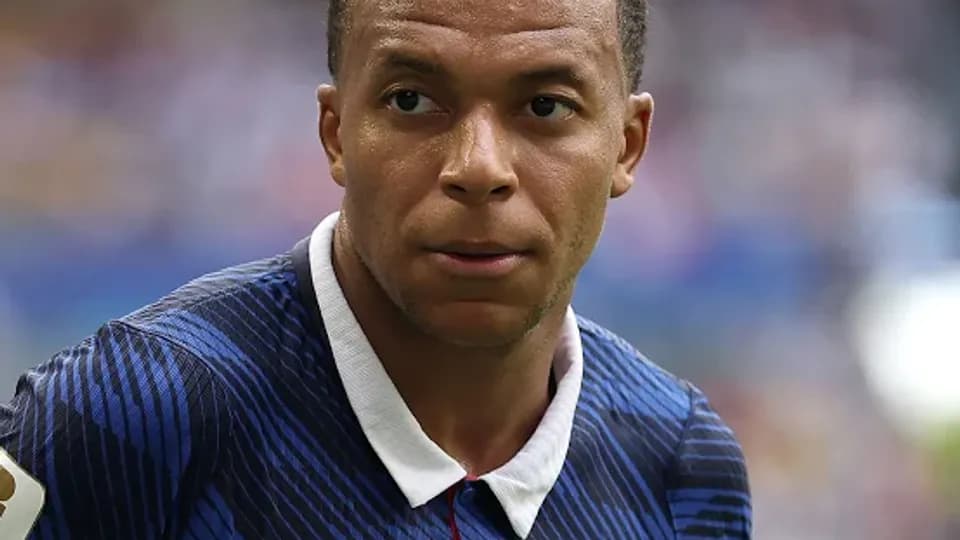
- Kylian Mbappé (Real Madrid / France): Possesses world-class individual scoring figures, leading tournament scoring charts, though team silverware gaps relative to competitors complicate his case.
- Lionel Messi (Inter Miami / Argentina): Remains in the narrative upper echelon following crucial international knockout stage performances, though playing outside Europe creates mixed opinions among traditional voters.
4. What Could Happen? (Potential Scenarios)
Scenario A: Silverware & Storylines Win (Yamal / Spain)
If voters place heavy emphasis on major international tournaments and multi-trophy seasons, Lamine Yamal could become one of the youngest Ballon d'Or winners in football history. His combination of a domestic title and international glory aligns cleanly with the secondary criteria.
Scenario B: Individual Stats Prevail (Kane / Mbappé)
If journalists strictly prioritize Criterion 1 (individual stats/goals over team titles), Harry Kane or Kylian Mbappé could secure the trophy based on unrivaled individual goal counts across domestic and European play.
Scenario C: The Splitting of Votes
Because the voting system awards points across a top-10 list, a tight race where first-place votes are split evenly between top contenders could allow a highly consistent, trophy-laden alternative (such as Paris Saint-Germain or national-team double winners) to pull ahead on cumulative down-ballot points.