


Barcelona and Paris Saint-Germain will meet at the Estadi Olímpic Lluís Companys on Tuesday, Oct 20, 2026 at 9 PM CEST for a UEFA Champions League encounter that feels bigger than a routine league-phase fixture. The match brings together two clubs with enormous European ambitions, contrasting recent rhythms and a rivalry rich with dramatic turns.
Fan Mood: Confidence, Caution and Respect
Barcelona supporters head into the game in high spirits. The team’s perfect start to the season and prolific scoring run have generated genuine belief that this side can compete with Europe’s strongest teams. For many fans, PSG represents a useful benchmark: a club with deep resources, continental experience and a squad built to challenge for the Champions League.
Yet the optimism is not unconditional. Some supporters worry that Barcelona’s intense pressing and high-energy style could lead to fatigue or injuries later in the campaign. There is also a sense that a strong result here would mean more than three points—it would signal that the club’s revival is real rather than a promising but fragile run.
PSG’s side of the story is one of measured respect. The French champions are expected to arrive with confidence in their own quality, especially after a convincing European result (4-2 on Wed, Oct 14, 2026) against Manchester City. Ticket demand for the fixture has been enormous, underlining its global appeal. Luis Enrique facing his former club adds a human subplot, but the main focus remains on how Barcelona will handle a difficult away atmosphere at the Parc des Princes.
A Rivalry Full of Turning Points
The recent history between these clubs is impossible to ignore. Barcelona’s 6-1 comeback in 2017, after losing the first leg 4-0, remains one of the most celebrated nights in Champions League history. It is a result that still shapes how fans on both sides approach this fixture.
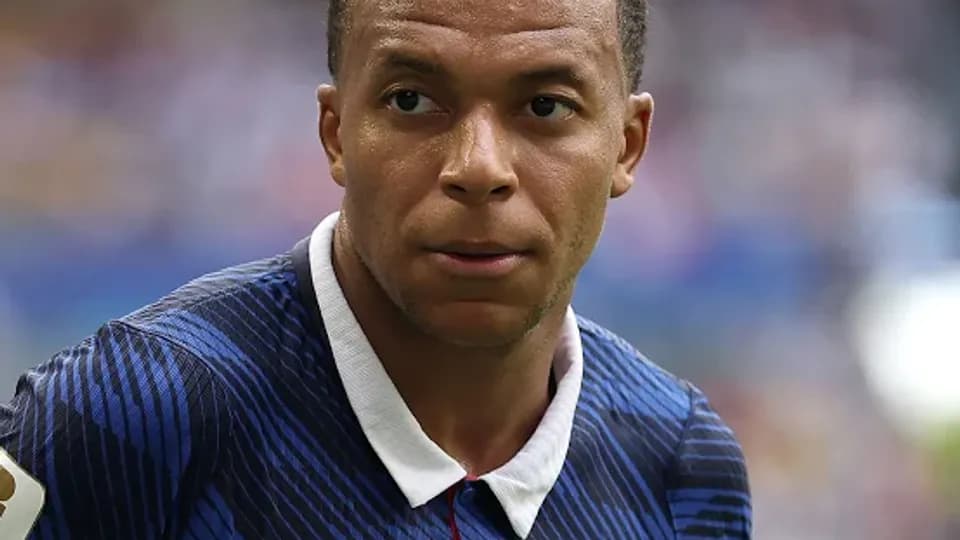
PSG, however, have had their own moments of revenge. In 2021, Kylian Mbappé’s hat-trick at the Camp Nou helped PSG eliminate Barcelona convincingly over two legs. Across 13 Champions League meetings, the balance is tight: Barcelona have five wins, PSG four, with four draws, and Barcelona hold a narrow 24-21 advantage in goals. That record suggests a matchup where neither club can afford to feel safe.
Players Who Could Decide the Night
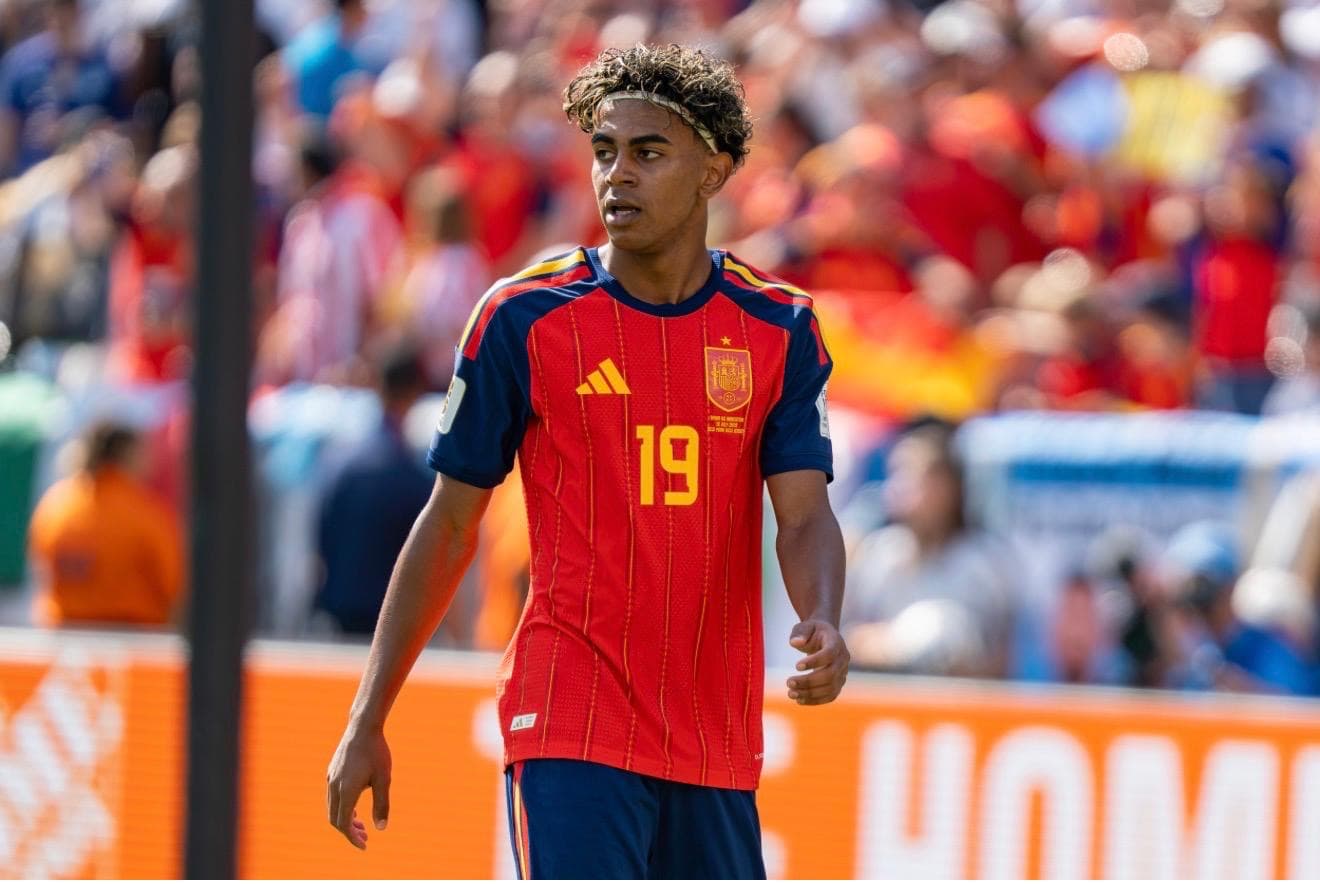
For Barcelona, Lamine Yamal is the player most likely to make the crowd rise. His ability to beat defenders and create chances from wide areas gives Barcelona a constant outlet. His duel with Nuno Mendes could be one of the game’s defining battles, especially given Mendes’ speed and defensive strength.
Raphinha’s form is another major asset. His scoring and direct running give Barcelona a second attacking threat, while Pedri and Frenkie de Jong are central to the team’s ability to control possession and find passing lanes through pressure. De Jong’s return is particularly important because he can help Barcelona escape PSG’s pressing and connect midfield with attack.
For PSG, Ousmane Dembélé remains the most dangerous attacking reference. His acceleration and finishing make him a constant threat in transition. Vitinha is the player who gives PSG rhythm in midfield, while Nuno Mendes offers both defensive solidity and attacking width. In goal, Matvey Safonov’s ability to handle pressure could also be significant if the match becomes chaotic.
Strengths and Weaknesses
Barcelona’s biggest strength is their attacking output. They create a high volume of shots, dominate possession for long spells and have multiple players capable of scoring. Under Hansi Flick, they have looked aggressive, vertical and difficult to contain.
Their main vulnerability is the space they leave behind a high defensive line. Teams with pace can hurt Barcelona in transition, and PSG have the forward players to exploit that risk. There are also concerns about squad depth and accumulated minutes, especially if key players are asked to play at full intensity week after week.
PSG’s strengths lie in their tactical flexibility, transition speed and squad freshness. Their ability to rotate in Ligue 1 means their most important players may arrive with more energy for European nights. They also have a strong big-match mentality and players who can punish mistakes quickly.
Their weaknesses include inconsistent domestic form and occasional discomfort when forced to defend for long periods. If Barcelona can pin PSG back and sustain pressure, the French side may be forced into mistakes. But if PSG break the first line of pressure, they can turn defense into attack very quickly.
What Could Decide the Match
The midfield battle will be crucial. Barcelona want to control the ball and suffocate PSG; PSG want to win it back and attack quickly. The performances of Pedri, De Jong, Vitinha and their midfield partners will shape the game’s rhythm.
The second key factor is Barcelona’s high line against PSG’s pace. If Barcelona time their offside trap well, they can frustrate PSG. If they mistime it, Dembélé and Mendes could have space to run into.
The Yamal–Mendes duel is another decisive subplot. If Yamal wins that battle, Barcelona will have a reliable attacking outlet. If Mendes contains him, Barcelona’s attacking threat becomes narrower.
Finally, fatigue and bench impact could matter in the final 20 minutes. PSG’s rotation policy may give them fresher legs, while Barcelona’s heavy reliance on key players could become a problem if the game remains tight.
Conclusion
This is a fixture that combines history, emotion and tactical contrast. Barcelona’s form and attacking power make them a serious threat, but PSG’s experience, squad management and transition quality give them a clear path to victory. Barcelona fans will hope for a statement night; PSG will believe they can absorb pressure and strike when it matters. The likely difference may come down to midfield control, defensive discipline and which team manages the game’s decisive moments better.